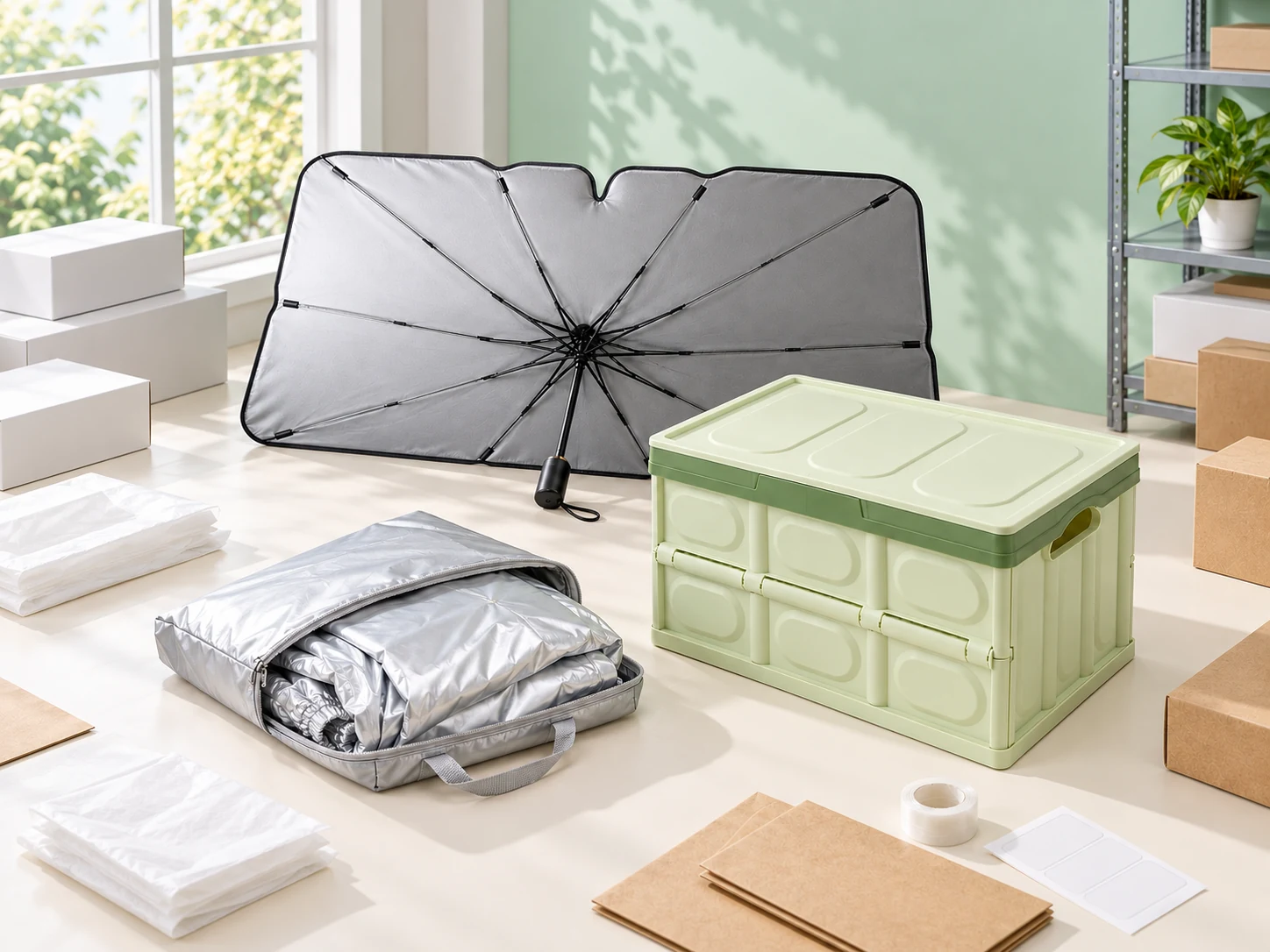
The useful starting point
An exact vehicle, an exact SKU and real measurements make a better starting point than a size label alone.
01
Use the vehicle as the starting point
Record the make, model, model year and body style. Two vehicles with similar lengths can still need different covers because of their rooflines, widths, mirror positions or front and rear shapes.
If the vehicle has a bull bar, roof rack, canopy, spare wheel carrier or another accessory, include it in the brief and in the photographs used to assess fit.
02
Distinguish a size label from a measurement
Labels such as XL or 3XXXL belong to the supplier’s size system. They do not establish the finished product dimensions or confirm compatibility with a named vehicle.
Ask for the finished cover length, width and height for each exact SKU, the method used to measure it and the vehicle shape the supplier used for the demonstration. Keep nominal vehicle-length ranges separate from cover measurements.
03
Why a Ford Ranger needs a specific check
A 3XXXL label alone is not enough to recommend the current cover for a Ford Ranger. The cab and tub configuration, canopy, overall dimensions and accessories all matter.
Get the exact year and configuration, compare it with the finished cover measurements and request fitting evidence where available. Until this is confirmed, present it as a fitment enquiry rather than an established compatibility claim.
04
Confirm the construction you are buying
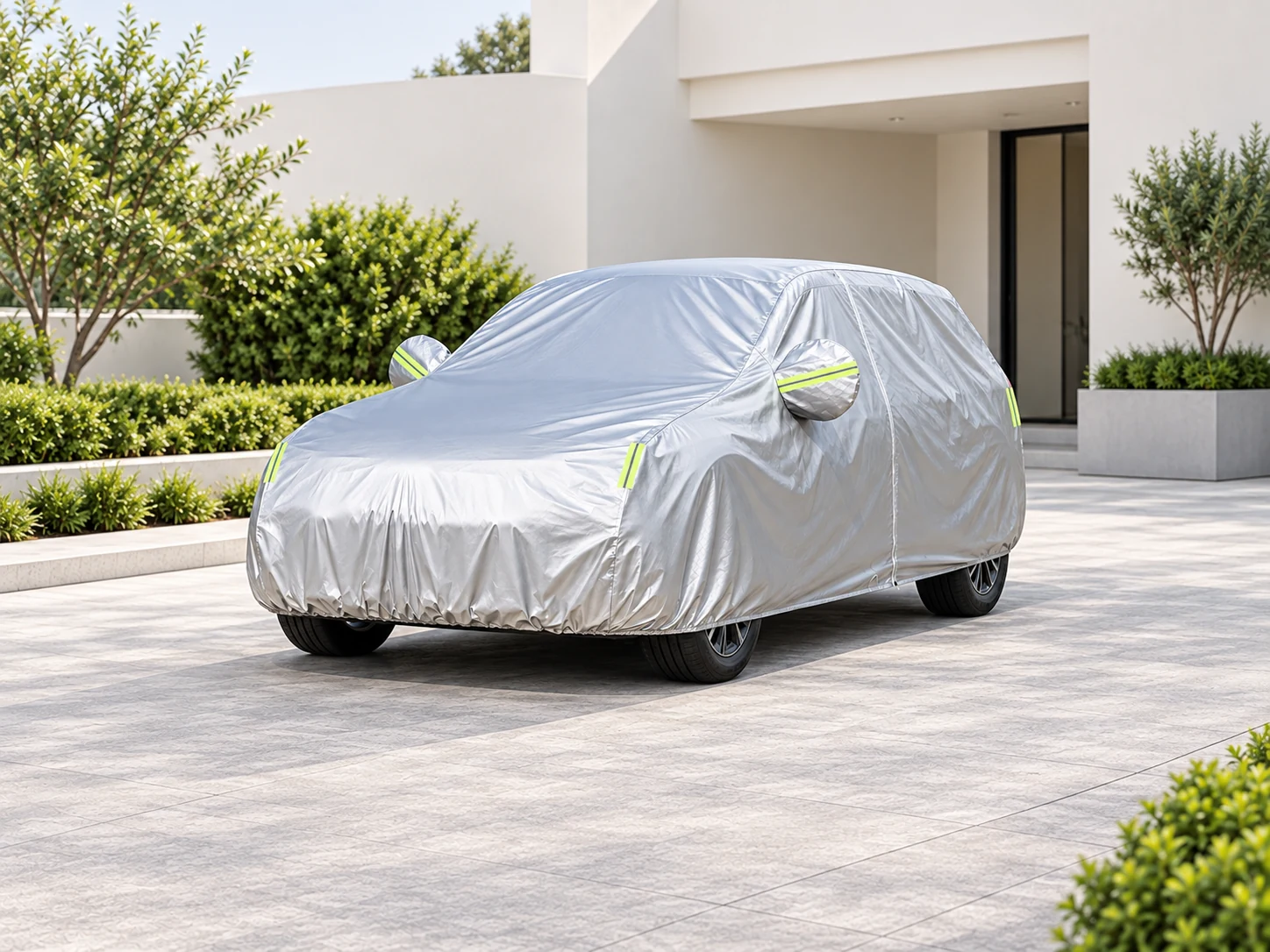
Review mirror pockets, fastening points, seams, any access zip, lining and included storage accessories against the selected colour and size. Ask which construction details vary by SKU.
Treat fabric composition, water resistance, UV performance and other protective properties as separate specification questions. Use descriptions that the supplier can support for the exact option.
05
Turn the answers into your retail content
Once the variant is confirmed, build a concise size chart and fitting instructions from the actual data. Show the cover from multiple angles and identify the vehicle used for the photographs.
A useful product page lets the buyer check the measurements, exclusions and installation steps before purchasing. Update it when the supplier changes the size system, construction or included accessories.
Your next step
Bring the details you already have to an enquiry. We will identify the product information and commercial conditions still needed for a quotation.
Start a buying brief